




Sol Gindi is the Head of Wells Fargo Advisors, leading more than 20,000 employees and 12,000 financial advisors across the country.
In this episode, Sol shares the lessons that shaped his career, from working alongside Edmond Safra and navigating the 2008 financial crisis to leading at JPMorgan and Wells Fargo, with insights on leadership, relationships, and building a meaningful career.
Enjoy!
Sponsors
- Real Property Captive: Own Your Insurance. Recapture Your Premiums. Visit https://RealPropertyCaptive.com
- Kosher Media: the premiere advertising network across Jewish communities worldwide. koshermedia.com
Transcript
Victor M. Braca: You lead 20,000 people throughout Wells Fargo. What does one of those 20,000 people need to do to stand out?
Sol Gindi: If you have an idea, speak up. You think there’s a problem with something, speak up. I didn’t know what I was doing when I was when I was your age. I had no clue. We didn’t come from a family that had a big business that I was going into. I didn’t know how I was going to pay for school. I said, “Okay, I’ll figure it out.” And then I did get a chance to work personally with Edmond Safra.
Victor M. Braca: So, you were Edmond Safra’s personal assistant.
Sol Gindi: Yes. If you want to learn, you want to learn from the best people out there. Now who better is there to learn banking from than Edmond Safra.
Victor M. Braca: What did you learn from operating near Edmond Safra?
Sol Gindi: Every decision he made like it was the most important decision in the world but at the same time he was very humble. He would ask me my opinion. He believed that you could learn from everybody. JPMorgan announced that they bought the bank on Sunday night and Monday morning I had no idea what I was going to do.
Victor M. Braca: What would you tell college students in order to put them ahead?
Sol Gindi: Just understanding ******* I think is the most important thing to learn when you’re starting out.
Victor M. Braca: All right, guys. This is definitely one of the more exciting episodes. My guest today oversees 20,000 people. as the head of Wells Fargo Advisors, which is a business with two and a half trillion dollars in assets. Sol Gindi grew up in an attached house in Brooklyn and worked his way through NYU Stern. And the grind this guy had is unbelievable. He would wake up 6:00 a.m. to say Kaddish for his father, who passed away when he was 19, then go to college, then would go to work at a trading desk in Manhattan until 6:30 at night. S has had some insane experiences throughout his career, like being Edmond Safra’s personal assistant, and traveling the world with him in his 20s, running the data room at Bear Stearns, the weekend JPMorgan bought the firm, overseeing 5,000 Chase branches as CFO and COO of the bank, and of course, leading Wells Fargo Advisors today. I’m Victor M. Braca. Momentum is where we dive deep with exceptional business leaders to uncover the secrets of success. But before we start, I want to thank Real Property Captive and Kosher Media for sponsoring this episode. More on them later. All right, let’s get into it. Sol Gindi, welcome to Momentum.
Sol Gindi: Thank you. Great to be here.
Victor M. Braca: You lead a huge group of people at Wells Fargo and you’re able to look back at your career, super accomplished in terms of where you’ve been, what you’ve what you’ve accomplished, right? I mean, from Safra to JPMorgan to ultimately Wells Fargo, where you are today, overseeing, if I’m not mistaken, 20,000 people.
Sol Gindi: That’s right.
Victor M. Braca: 20,000 people and 12,000 advisors as part as your role as head of Wells Fargo Advisors.
Sol Gindi: So, we’re going to cover all of that.
Victor M. Braca: Let’s go back to the beginning for you. I you went to Flatbush High School.
Sol Gindi: I went to Flatbush High School. So, I think, you know, we have that in common already.
Victor M. Braca: And tell me what was what was school like for you? Were you studious? What did you see as the goal of your life or what did you what were you pursuing when you were young?
Sol Gindi: So, I graduated in 1989. Flatbush 1989. Graduated a couple years after you. A couple years after. I have a twin brother. We were both in the same class. And for me school was the best experience ever, right? I loved being there. I loved participating in what the school had to offer. I was I was a good student. and I was involved in a lot and I always knew as I started going through high school that how important education was to me and how important education was going to be for me personally. because I didn’t we didn’t come from a family that had a big business that I was going into. and I was thinking about what I was going to be doing after that. So, I really did focus on how I was going to get into a good college and what I was going to do after that.
Victor M. Braca: It’s interesting like I think that people who grow up and their parents are not as established, right?
Sol Gindi: Grow up with not a lot of money yet because I think today you it might be different in the community, but people who don’t grow up with so much money, you’re focused on education.
Victor M. Braca: How am I going to get into the best school? You know what I mean?
Sol Gindi: Did you did your family, you know, forgive me for getting too personal and tell me for sure if it is.
Victor M. Braca: Nothing’s off limits. Go ahead. Did you grow up with money?
Sol Gindi: No. we grew up very modest. I actually grew up a few blocks from here in an attached house. my mother and father had a small ladies wear business and that’s what supported the family. And as we as we got older, a little bit older and we had to figure out what to do, my brother decided he wanted to go and continue do that and grow that and I decided I wanted to go to school.
Victor M. Braca: What do you think was the source of that divide, you know what I mean?
Sol Gindi: Like family business versus education and the corporate world is a totally different path. So I think it’s it’s it’s it’s personality and people choosing, you know, what they’re good at and what they what they want to do. my brother David is much better at me at many things. He’s a much better salesman than me. he, you know, he could motivate people and manage a factory better than me. I was better at school, right? So I think we both ended up doing what we were both good at.
Victor M. Braca: So you ultimately went to NYU Stern, which is actually where I’m studying right now. What was it like when you were in school?
Sol Gindi: Because I wonder if it’s different today. So well, I’ll tell you, I worked through school. so my days were very were very full. and I was I was at Stern the first year they opened the building on West Fourth Street.
Victor M. Braca: Okay.
Sol Gindi: So, it was it was really great because everything was brand new and there was Where was it before? it was down by the stock exchange. They used That’s a cool location though. That was Yeah, that was a cool location. But this is this is better because the entire campus is all is all together in one place. but I’ll tell you for me it was I got to school every day at 8:00 in the morning and I went and I was there through lunch and then I went to work after in the afternoon basically to pay for school but also because I had started the summer before at Republic National Bank. I got my I had an internship. and a long story, you know, it’s a long story about how this I never planned on working through school. but as the summer progressed, they had wanted me to stay and work there. so I figured out how to do that. and that’s how I, you know, I really got a lot of experience in the banking industry.
Victor M. Braca: So, Stern’s a pretty competitive school and you’re working full-time, going to school full-time essentially, right?
Sol Gindi: I mean, that’s two you’re juggling two full-time schedules.
Victor M. Braca: You were taking a full course load while maintaining a job. What was that balance like?
Sol Gindi: So I mean it was it was very busy but I will tell you mentioned going to Flatbush. I mean I mean going to Flatbush you have I found a much more a much heavier course load and much more in terms of responsibilities and extracurricular than you have than you have to do at college. when you get to NYU, yes, there were some classes that were very intense and you had to go through, but you’re only taking four or five classes a semester. and I found we were very I was very prepared for that. and for me, it was very important to also get the work experience at the same at the same time. So, I made it work. Very long days. I have I’m not I’m not going to lie to you.
Victor M. Braca: Very long. What does long days look like?
Sol Gindi: You get to school 8 a.m. Which means you’re waking up what time.
Victor M. Braca: Did you live in the city or you were commuting?
Sol Gindi: I lived in Brooklyn. I would go to go to shul at 6:00. At that at that time, I had to say Kaddish. So, I would I would go to school 6:00, be at in school at NYU by 8:00, finish my classes by 11:30. I would go to lunch, then head up town. the bank’s offices were on Fifth Avenue and 40th Street, so I take the train up there. I’d be at my desk probably by 12:30, and I’d work I’d work until 6:30. Back then, I was a fed funds trader, so the Federal Reserve closes its wire transfer unit at 6:30 at night. So, I used to man I would man the evening shift. So, and then I would go home at 6:30 and you know then and then the next day would start. Do it all over again the next day. You were 19 20 years old saying Kaddish. Yes. So my father when we were in high school sort of the second half of high school started getting sick. He had he had heart disease and the first year of college when I was in college he passed away. I’m sorry that’s that’s that’s extremely difficult.
Victor M. Braca: Wow.
Sol Gindi: It was it was that’s that’s how old I am. So that’s like hits pretty heavy, you know. Yeah, it was it was an extremely I would say difficult situation. And you know, you have to grow up really quickly when that happens.
Victor M. Braca: And you know, all that together, you sort of you look back and you say, you know, you’re not sure, you know, how you got through it or what motivated you to do it, but you know, you sort of keep your head down and you go to work and you get it done. Yeah. Yeah. Wow. That’s that’s not easy. I want to go into that time period a little bit because when I heard that you were juggling a full-time schedule, getting to school at 8 a.m., getting to your desk at work at 12:30 and then getting back and on top of it all commuting, you know what I mean?
Sol Gindi: Like I can relate to that in a lesser form because I’m a commuter as well. I’m trying to take a full course load, balancing everything else that I have to do, growing my own business, things like that.
Victor M. Braca: And you add on top of that you know that you lost your father at such a young age. Was that a difficult time for you?
Sol Gindi: I don’t know if I don’t know how would you describe that time. It could have been formative difficult. I mean like you don’t at that point in your life you’re so young you don’t really have time to slack off and dwell on you know.
Victor M. Braca: Yeah.
Sol Gindi: I listen I would say definitely formative. And you know if I wasn’t as busy I probably would have had more time to think about it. I think it was very it was very good that I had that I had really full days. and I really I enjoyed NYU. I majored in I majored in economics. and I was working towards I knew I was working towards a masters. So I liked the classes I was taking. and I loved working at the bank, right? I had started I had started on the trading desk after my first summer when I was an intern and I enjoyed I was actually, you know, enjoying it. I was doing big transactions. I was and then I was moving I was moving and learning different things. I was learning how the bank run, how it ran, how they made money. So I went from the trading desk to the bond desk and then eventually I ended up working for the president and the CFO of the bank doing more of you know the acquisitions and dealing with shareholders and things. This was throughout college. This was throughout college. So I was just soaking things up like a sponge and to me that you know I you because I knew I liked it and I wanted to continue doing it. it motivated me to continue doing it even more.
Victor M. Braca: Was Republic National Bank your first real job?
Sol Gindi: So, yeah, it was my it was my first real job. and it’s funny, you know, I never I never actually applied for a job or interviewed for a job. I started I started in the summer before college as a summer intern and I have you always have to have gratitude and you have to thank the people who gave you your first job. So, the treasurer of the bank at that time, his name was Nathan Hassan. He’s a wonderful, wonderful man. he lives in Sheepshead Bay and his daughter Rachel was in my class in in the yeshiva flatbush and when it came time to do summer internships this is graduating flatbush graduating high school. This was graduating high school the summer before I started college. So when it came when it came time to do summer internships you know we were both doing it and he knew I was he knew I was one of the smarter kids in class. So he encouraged me to apply for the internship and we both we both got it and when we got there for the summer it wasn’t what I what I initially expected right I got there and I thought I was going to be doing banking but I ended up I was in a an internship program with probably 20 or 30 other interns and I was the youngest because I was I wasn’t in college yet, right? So I got I got sort of the bottom of the litter of the of the work. So they gave me a list a list two lists of banks. and they told me my summer job was there was a list of banks from one system and a list of banks from another system. And I was supposed to make sure that there were no there was no duplication and all the information was correct that the addresses, the wire transfer numbers and things and things like that. So I looked at it and I said to myself, okay, what am I going to do, right? You make the best of everything. So, I decided I was just going to get it done as quickly as possible. So, I had this work was supposed to take me the whole summer. so I put my head down and I just went at it and I figured out how to do it. I finished it in less than a week. and I went back to the director of the summer program, this woman.
Victor M. Braca: I said, “Okay, I’m finished. What do you want me to do now?” And she looked at me puzzled and she said, “What do you mean you finished?
Sol Gindi: That was a summer’s worth of work.”
Victor M. Braca: I said, “Yeah, I’m finished. You could check it. What do you want me to do now?”
Sol Gindi: She goes, “I don’t know what we’re going to do with you now.”
Victor M. Braca: I said, “I’ll tell you what. why don’t you let me sit and watch on the trading floor?”
Sol Gindi: So, I back then the trading floor was the 10th floor of 452 Fifth Avenue. so I asked Nathan if I could sit on the trading floor and watch. And, you know, he put me in on one of the desks watching and they ended up liking me. and it went from just watching to they let me they let me participate, listen on the phone when they were doing a trade or they let me call after the trade and do a confirm. and then as the summer passed, there were three people that were in that job. it was called fed funds trading. and by the end of the summer, two of them had left to find other jobs. So the head of the desk basically said, “Listen, we really need you to stay during college. If you can try to figure out how to work, you know, during school and so I, you know, I was like, to me that was like the best thing that had ever happened. It was like, you know, I didn’t know how I was going to pay for school. I didn’t have another job. I was going to take loans out.” But, at the end of the day, I said, “Okay, I’ll figure it out.” So, I immediately went to the registrar. I changed my classes. I went to school classes in the morning. I told them I could work every afternoon. And that’s that’s how my schedule started. You went from an intern who they just wanted to keep busy and eventually they asked you to stay and that was all within one summer. So I think like an important lesson is the people you work for get a very good sense of who you are and what you could bring to the table very quickly from you and you can’t be shy about it. So, you know, I think the fact that, you know, I went and I was aggressive in finishing the work and not just like, you know, letting it last the whole summer and then I was aggressive saying what I wanted to do. And when I got to the trading desk, you know, I would ask questions and I would say, “Let me see this. Let me do this.” they were impressed by that. and I think it I think it showed them like the type of the type of employee I would be and the type of work I would do.
Victor M. Braca: You were 18 years old, right?
Sol Gindi: About 18 at that point.
Victor M. Braca: What drove you to?
Sol Gindi: Well, to me, I was extremely interested in that and I have a very inquisitive mind. So, I just when I see something, I want to know how it works.
Victor M. Braca: I want to know, you know, what is it about it? How do you how do the best people that do it do it?
Sol Gindi: and the only way you could you could do that, you got to ask questions and you got to you got to, you know, make sure you keep progressing and progressing and learning different things. That’s the other thing that’s important also is like you know early on and like you asked you know for you know people of your age or people getting into their careers. I also thought it was important for me once I learned something to learn something else. I didn’t you know I didn’t want to learn I didn’t want to sit on that trading desk and say wow I’m accomplished because I’m 19 years old or 20 years old and I’m sitting on a trading desk. When I learned what there was to do on the trading desk I said okay now it’s time for me to do something else. I want to learn about that desk, right? I want to learn about the bond desk. so I moved to the bond desk in a couple of years and I kept doing that every you know every couple of years really to learn as much as I could about the business the entire business end to end right it was that to me that was like why I was there right it was a bank that was a size that was manageable you could do that and if I didn’t do that it would have been like an opportunity wasted so how does learning about the entire business help you do your individual job in a specific vertical of the business better. So I think that’s the most important thing, right? So many so many times people are doing a job and it’s in some vertical and they don’t know where they fit in the grand scheme of things.
Victor M. Braca: You don’t know what like how what you do is going to make it towards the end to the customer or towards the end to you know how the bank is going to grow or whatever whatever it may be. So just understanding at the end of the day from the beginning to the end what’s the value proposition of the business that you’re in I think is the most important thing to learn when you’re starting out. And then obviously you’re going to have to go deep and you’re going to have to be very specific in one area but you’re going to do it from a perspective of somebody who understands how to manage the business and understand what’s important to the business and then you could it could help you understand where to go next. Take me through, you know, take me into your head when you were at NYU Stern. What was the vision that you saw for your life at that point?
Sol Gindi: I didn’t have one. [ laughter] I didn’t I didn’t know. I wanted I wanted to do as well as I could at college because I knew that would help me get a better like a better job. I knew I wanted to be in financial services in banking or other types of financial services.
Victor M. Braca: did you want to stay at Republic National Bank?
Sol Gindi: I liked working at Republic and I liked the people there and I like the atmosphere there and it was almost like a it was a family business and you know we’ll talk a lot more about that because I did get a chance to work personally with Edmond Safra as part of my work as part of my work there. So yes that’s a place where at that point in my life I felt like I could have spent my whole career there.
Victor M. Braca: Do you own a real estate portfolio rarely file claims yet see your premiums go up every single year? That’s just how the commercial insurance market works. And honestly, it’s broken. What most midsize owners don’t realize is that the largest real estate companies in the world and 90% of the Fortune 500 have owned captive insurance programs for decades to keep that profit for themselves. Real Property Captive was founded by a real estate investor who got tired of this and decided to do something about it. Real Property Captive allows owners to come together in the first ever captive insurance company designed for midsize owners and get access to captive insurance at wholesale pricing just like the big boys. If you’re a real estate owner spending 350K or more on property insurance per year, check them out at RPCaptive.com. They’re also hiring. So, younger listeners, please feel free to reach out and I can connect you with their team. Thank you, Real Property Captive, for sponsoring this episode. And back to the episode. You mentioned Edmond Safra Safra. I read the book a little while ago, his biography, banker’s journey. Unbelievable book. but a lot of the details are escaping me. So, Republic National Bank, how does that fit into Edmond Safra’s, you know, history of the banks that he’s founded?
Sol Gindi: I know like it took different names. Banko Safra, you know, I’ve heard of some of the other names, but tell me, give me a brief history. Okay, so Edmond Safra comes from a family of bankers from Aleppo, Syria, and then in Beirut, Lebanon. and then around the time of the Israeli independent the war of Israeli independence in 1948 Jewish bankers couldn’t survive in Arab countries. So the family had to had to move on. he moved to Europe and he started a bank in Geneva, Switzerland. actually he moved to Italy first and then started a bank in Geneva, Switzerland. And then in the in the 1960s he wanted to come to the United States and open a bank here. and he started one of the first banks. It started he started it from scratch from nothing. He built the first branch you know on at 452 Fifth Avenue. and over the next couple of decades he grew the bank he did acquisitions and Republic National Bank was his was his largest banking holding.
Victor M. Braca: Wow. Wow. And it eventually sold to HSBC. Sold to HSBC in 1999. Got it. Okay. So you were working there I guess give us the timeline. You know what I mean? You were working there throughout college and is that what turned into your role at Safra?
Sol Gindi: It’s the same company. So I started there like right when I graduated high school 1989 and I worked there through when I graduated college and then when I graduated college that was the first time that the management of the bank came to me and asked me if I wanted to move my next role to be Edmond Safra’s assistant. He always had a chief of staff, like a young, you know, a young executive who would travel with him and who would help him do everything he needed. That’s really cool. It was really cool. And like you said, back then, here’s another important thing. It’s you have to know sometimes when is the right time to do things and when to say yes and when to say no. So I actually when they came to me at that time, it was right when I graduated undergrad and then wanted me to do that. I actually I actually said it no. I said I wasn’t ready to do that. a couple of re a couple of reasons. one is I knew I wanted to get a master’s degree at that point. and because I knew I wanted to go into financial services and I knew I wanted to have senior executive roles and all the people I would speak to would tell me that you have to you have to have a master’s degree in order to be in order to be able to be considered for that. And NYU had a program where if you could go an extra year back then and you could get a master’s degree, they would they would let like one or two people who graduated continue into that program and I got into that program. So I really wanted to do that first and I also wanted to make sure that I had a chance to learn more. So I figured if I’m going to go like at the end of the day you have to put yourself you if you want to learn you want to learn from the best people out there. Now, who better is there to learn banking from than Edmond Safra? And I wanted to make sure that I was ready, I was more mature, I learned a little bit more in the bank. And I wasn’t just, you know, a kid going out there and being a kid. I wanted to go out there and I wanted to, you know, really be part of managing the bank and how I would do that. So, I thought if I if I if I said no at that point and if I were lucky enough, maybe the opportunity would come back again.
Victor M. Braca: Right. Right. And so you pursued So you were five years in Stern total, right?
Sol Gindi: Yeah.
Victor M. Braca: During that extra year at Stern, pursuing your masters, did you continue to work at Republic?
Sol Gindi: I did. I shifted my schedule. So I wor I worked the whole day and I used to go and I would go to school at night. I would go to I would go to school from 6:00 to 9.
Victor M. Braca: Wow. Yeah. Wow. So but you kept up the schedule. That’s impressive. Yeah. When Listen, when you’re motivated to finish something, then you’re motivated to finish something to do it and to finish it. So, at this point, you’re graduating college and you had five years under your belt working at Republic. Did you move into a full-time role over there?
Sol Gindi: Immediately after graduation, yes, I moved to a full-time role after graduation. I moved into I worked for the CFO and the treasurer of the bank holding company. I was the assistant treasurer and I got a chance to work on some of the mergers and acquisitions that the bank did. So, the bank bought other banks in New York. You know, one of them was called Williamsburg Savings Bank. You know it, if you go downtown, they you have the Williamsburg building. Sure. Another one was called the Manhattan Savings Bank. So, I got I got I got to work on those acquisitions. and I also got to work Republic was a public bank. It was it was on the New York Stock Exchange, symbol R&B. And I got to work again on some of the some of the of the public company work. So, I got to work with learn how to work with rating agencies like S&P and Moody’s doing our bond ratings. I got to do our investor presentations. I didn’t give them, but I would prepare our investor presentations for the president of the bank or the or the CFO of the bank. That’s a really cool experience for somebody who just graduated college.
Victor M. Braca: Yeah.
Sol Gindi: So, part of it part of that opportunity is, you know, working at a small at a smaller bank like you’re right. I know if I ended up if I went to work at JPMorgan right then and there, I never would have had that opportunity at that point in my life. but it was a it was a huge benefit of working in a place like Republic.
Victor M. Braca: Let’s zoom out from your story for a second. How do we translate this into something actionable? Let’s say for somebody like me or for a college student today, would you advise working full-time throughout college or, you know, it was it was as close to a full-time schedule as you could have worked when you were in college? would you advise that? Would you advise trying to secure some sort of internship and continuing that through the year? What would you tell college students in order to put them ahead?
Sol Gindi: So listen, everybody has to do what’s good for them and what fits in their what fits in their life.
Victor M. Braca: So you I was able to do it looking back I don’t know how right like there was it’s always like that you look back how did I do this you know I don’t know but it doesn’t you don’t have to do that but it definitely gave me a springboard and it and it definitely sped things up for me like I you know I was at a point when I was you know you know 20 21 22 years old I had experience and I had done things and I had degrees that you know people that were you know 26 27 28 had right and it was an advantage for me because it allowed it allowed me to do more and get ahead. And also, you know, being part of the community, you also need to, you know, we’re always worried about where are you going to start your life?
Sol Gindi: You got to go to school.
Victor M. Braca: You got to establish yourself in your business, but you also have to start your life, which is the most important thing. Right. Right. You graduate college and at this point with all the work experience and the degrees under your belt, did you begin to build up a reputation for yourself in the industry maybe within Republic but also within I guess the broader boutique financial services industry like would you say that? So you know I would I would say you know a little bit I would I would you know within Republic you know it was a small place I small how many employees roughly?
Sol Gindi: So Republic was under 10,000 employees across you know the whole bank including the bank branches.
Victor M. Braca: You know if you think about the headquarters building it was u you know the all of the management of the bank sat on maybe six or eight floors right six. So it just gives you an idea. So, you graduated school, right?
Sol Gindi: And I want to like I want to go into I guess the dayto-day at that time.
Victor M. Braca: If I’m if I’m not mistaken, you were at Republic for what, another four or five years?
Sol Gindi: So, after graduating. So, so after I after I after I graduated, I worked for another year. I got my masters and then like I told you at that point that was I think the turning point of of my career and the turning point of what I did. So I so I got the opportunity that opportunity again, right, to go work for Edmund. now in order to do that, I had to go I had to go work overseas. I had to go I had to go live in Geneva, Switzerland, right? and that was that was a very difficult decision. You know, I was in my early 20s. I had lived in Brooklyn my whole life. Even when I went to NYU, I was commuting. and you know, this was, you know, going to live overseas. you know, I had barely traveled overseas, let alone go to go to live overseas. but that was at that point that was something that I think that was the right time in my life and I think that was the a tremendous opportunity that I wanted to sort of to take and took I took the bull by the horns and I moved I moved overseas.
Victor M. Braca: In your mind, did you time limit it? Did you say I’m going to be here for 2 years, for 3 years, for 6 months or did you say I’m going to go and sort of see where that takes me?
Sol Gindi: No. So the t that’s actually that’s a very good question. The time limit was very important for me. It was it was it was going to be two to three year two to three years maximum. Maximum.
Victor M. Braca: Right. Right. And you know they knew and the managers of the bank and the leaders of the bank knew ahead of time it was two to three years. But that means they really wanted you if they were okay with that. They were okay. But also it’s a job that I don’t you know you can’t really do you can’t really do that job for more than two or three two or three years. Why is that?
Sol Gindi: It’s it was it’s very intense. So it’s it was basically you know 24/7 or 246 but always on call and you know the work because at that time there were the banks were all over the world. There were banks in America, there were banks in South America, there were banks in Europe, there were banks in Asia. And the way to keep track of all of them was by telephone. This was the you know this was in the early 1990s. So there were constantly faxes coming in, phone calls coming in, big decisions that Mr. Safer had to make.
Victor M. Braca: so you were you were constantly on call for all of that because you all of that would come to us and then we would have to brief him and we would have to get whoever needed to be in touch with him in touch with him. What did you learn about like the way a successful person operates from operating near Edmond Software in that close proximity for such a long time?
Sol Gindi: Yeah, I mean I learned a lot from, you know, all the all the CEOs that I that I worked for.
Victor M. Braca: I learned a lot. But, you know, Edmond in particular, I would I would tell you just one is just the in intensity and commitment like he every decision he made like it was the most important decision in the world, right?
Sol Gindi: Got all the information, you know, he really got the people that he needed to speak to, heard both sides, made decisions. So, that number one. number two is you know we always think of him and I always thought of him as this you know a genius banker and you know somebody who you know knows more in his industry than anybody and his mo when is more successful than anybody and he was but at the same time he was very humble. He was he was you know humbled to a point where sometimes you know he would ask me my opinion right sitting with him the 20-year-old being asked right the 20something being asked by the you know multi-billionaire most successful person in banking in the world pretty much right and now he did that I think one is he wanted to make sure you know that I was comfortable but two is I truly think you know he believed that you could learn from everybody and that’s such an that’s such an important trait and then the other thing is he always and this I think is a trait of all like some many successful people that I know insecurity right always like always looking over your shoulder making sure you if you’re ahead that how are you going to stay ahead you have to you have to almost be paranoid in order to survive and you know he was that he would always that’s why he was always on the phone that’s he was always asking questions he was always trying to find a small problem before it became a big problem. And you know those are those are very valuable things about how he how he managed. But I think the most important trait of his success at the end of the day was trustworthiness and the relationships he had with clients or with employees, right? He had lifelong relationships with clients and employees. And I want to zoom into the paranoia a little bit.
Victor M. Braca: Do you think that all things considered business, personal life and everything in between, do you think that sort of paranoia is a net positive?
Sol Gindi: Definitely. Definitely. At the end of the day, the world moves so fast and changes so fast. You have to be paranoid because something someone or something is always going to be there to threaten what you’ve done and what you’ve built.
Victor M. Braca: And you have to keep moving forward. And if you don’t have that paranoia, then it’s very it’s very hard to really keep that momentum and keep moving forward. Pressure is a privilege. That’s it’s a quote that I’ve been like I found myself repeating to myself very often lately. Pressure is a privilege. You know what I mean?
Sol Gindi: Like to be able to feel pressured and to feel an inclination to keep building or to keep growing and to keep putting yourself in uncomfortable situations. That’s a privilege, you know. Absolutely. working like just operating that close to Eban Safer for two years, three years is just unbelievable. Like I want to I want to learn more about him through you in that way.
Victor M. Braca: What else did you learn over that time?
Sol Gindi: Yeah. So N the other the other thing that I that I would tell you about him and you know how he spent how he spent his time is you know yes he worked really you know really hard and yes he had a huge business that he that he had to oversee but he was also one of the most caring and one of the most charitable people you would meet. So, you know, one of the one of the jobs that I had every day was to actually he had we had set time every single day where, you know, we would go and he would review all the letters he received, all the requests he received, whether it was from a community, from an individual person, from somebody who his family had known when they lived in Syria or in Beirut. he would get all that and he would pay he would pay attention to every single one.
Victor M. Braca: Wow. Wow.
Sol Gindi: Maybe the part of it of you know him leaving his home early in life. I mean he never told this to me but you could sort of see it. He always like respected his parents and the charity he did. so much of it was in the name of you know his father and his mother because he left and you know he never he never got a chance to see his father his mother again. Really?
Victor M. Braca: Yeah. Wow.
Sol Gindi: So when he left Lebanon, he never got a chance to see he never saw his mother again. And then his and his father ended up moving to Brazil. and he’s he saw him infrequently.
Victor M. Braca: Wow.
Sol Gindi: That’s that’s crazy. That’s unbelievable. And so you were Edmond Safra’s personal assistant for two years. Yes. In Geneva, Switzerland, but really all over the world. Well, we would try.
Victor M. Braca: Yeah.
Sol Gindi: was in Geneva and then it was in Europe it was in Monte Carlo, Paris, London and then we would travel all over the all over the world.
Victor M. Braca: So you’re used to the travel nowadays you’re traveling like half the year and you were doing that when in your 20s too. So yeah, yeah, racking up the miles. Racking up the miles, right?
Sol Gindi: You should have been the guy to buy that what was it that American Airlines I think like unlimited travel card.
Victor M. Braca: You heard about this like years ago?
Sol Gindi: I did hear like a quart million or something. Yeah, that was a good deal. I didn’t know it was out there and I missed out and I didn’t have a quarter million so maybe.
Victor M. Braca: Right. Right. But Okay, so you worked for Evans which is just you know unbelievable. just like the way how close you were to him for so for so long you know after that two to three year period you are you back in Brooklyn at that point and were you still at Republic or is it called Sapphire at that point?
Sol Gindi: So it’s well the bank so he the bank in New York is called Republic National Bank. The bank in Europe is called Sappa Republic. Sure.
Victor M. Braca: Right.
Sol Gindi: So I came back I came back in 19 I would say 1998. and I and had a I had a job as one of the treasurers of the of the bank. I was living in Brook I was living in Brooklyn and I was working again in Manhattan. but at that point Edmund was he wasn’t he had an illness he had Parkinson’s disease and over time he decided that he was going to sell his bank like you mentioned to HSBC. so at that t at that time when he was going through the sale one of the things he was gonna he was going to do after the sale of the bank was he was going to have a little a little office where he managed his you know his own assets and you know almost like a family office and me and a couple of others my friend Marcos Alto who also worked at the bank for many years and a couple of people from Europe were going to start that office u which never happened Because as everyone knows unfortunately around the around the time the bank was sold Mr. Safer also passed away.
Victor M. Braca: Right. Right.
Sol Gindi: That was in 1999.
Victor M. Braca: Right.
Sol Gindi: That was at the end of 1999. The office I guess he would have been spearheading that the opening of that office. And so because he passed away where did who managed his capital after that? Well I mean because he passed away it ended up just all going into an his estate and it was managed by his estate. I see. I see.
Victor M. Braca: Right.
Sol Gindi: And so I guess the systems are already in place for that.
Victor M. Braca: Yeah.
Sol Gindi: And so they didn’t so they didn’t need they didn’t need an office or family office or a business like his business that he was going to run.
Victor M. Braca: So at that point for me I How old were you?
Sol Gindi: It’s a good question.
Victor M. Braca: 99. Were you 60s out of college?
Sol Gindi: Probably yeah maybe mid20s late 20s.
Victor M. Braca: Okay.
Sol Gindi: And so for me it was I was actually offered an opportunity to go move back move to Geneva full-time or and you know work for the work for the you know for the estate or I decided to stay to stay New York and that point was I felt was a good time like to move on and do something else which I had no idea what it was going to be. but you know, thankfully, you know, I had met like I’d met a bunch of people o over the years in that job. and I, you know, I made some connections and some people that wanted me to work there. So, what one of them was, was Ace Greenberg, who was the CEO of Bear Stearns. So over the course of my of my time with Edmund he always used to work with other big banks or financial institutions either because he wanted to create partnerships with them they wanted to create partnerships with him or you know he thought at some point he might want to if he was going to sell his bank he wanted to be friendly with people. So I had I had attended meetings with some with some executives from Bear Stearns. had met Ace Greenberg. and when the time came when they knew I wasn’t doing anything, it was a couple of meetings where he basically said, “What are you doing now?” and, they gave me they gave me an opportunity to start working at Bear Stearns.
Victor M. Braca: What I’m interested in is at this point, it’s like around you the year 2000, there’s no LinkedIn, right?
Sol Gindi: I mean, there’s no internet pretty much.
Victor M. Braca: And so, how do you keep people dial What does that mean?
Sol Gindi: You have to you would have to dial you would have to dial in on a modem to the internet.
Victor M. Braca: What’s a modem? [
Sol Gindi: laughter] You won’t get into it.
Victor M. Braca: You know what I mean?
Sol Gindi: Like I’ll just we’ll be here for hours.
Victor M. Braca: What’s this? What’s that?
Sol Gindi: Dial up. But there was no internet and there was no LinkedIn.
Victor M. Braca: So the way I think about careers nowadays, you keep people updated. You make posts. People are able to follow along with you know your career milestones. At that point you mentioned, you know, you made some connections. But how do you keep guys like Ace Greenberg in the know about what you’re up to?
Sol Gindi: I just made this deal. I gained this experience. It’s it’s it’s not the same as it is now. Like no, you’re not like LinkedIn and nobody sees like every minute of what you’re doing and you don’t they don’t you don’t have reels and you don’t post like your things. But again like similar to the story about what I told you when I first started my summer internship and I you know and how I how do you impress the people like you make a first impression. So it was a couple of those meetings with Bear Stearns and with and with Ace Greenberg you know we had gone we had gone through presenting sort of what the opportunities are and I was the one at the table who had all the answers had all the numbers was able to follow up you know I was just on top of things.
Victor M. Braca: and you think that left an impression on him?
Sol Gindi: Wow.
Victor M. Braca: I do think that always leaves an impression on people like if you’re sitting at a meeting you’re there for a reason, right?
Sol Gindi: if you’re not going to speak up and if you’re not prepared and if you don’t have you know answers that are significant for what’s going on at the meeting that then there’s no purpose of sitting there right that’s another thing I tell I think you do yourself more damage being there and not participating than you are than you can if you just participate and be prepared and I mean that proved itself to be very effective come the time when you moved to be cerns it was I mean it was the only reason he remembered me right it was the only He remembered me and when I did and I he sent me on a couple of interviews and yeah they made me they made me an offer and you know I was I was lucky you know from in that respect right you never know where which relationships are going to end up helping you but you have to make sure that you nurture them and you have to make sure that you value them and you have to make sure that you really try to make that first impression and over the course of many years by the way over the course of many years but so I’ll give you one of my favorite quotes you gave me the one you know one of yours So, one of my favorite quotes is people will remember what they won’t remember what you did.
Victor M. Braca: They won’t remember what you said, but they will remember how you made them feel, right?
Sol Gindi: So, just always put yourself in somebody else’s shoes. And you know, if you could make them feel good about themselves or you could make them feel like you solved one of their problems, they’re going to remember you for that.
Victor M. Braca: Yeah. Yeah.
Sol Gindi: Dale Carnegie in in one of like the first books in the self-help or you know development genre that I’ve ever read how to friends and influence people. So he says that like he puts that sort of quote into a very literal embodiment. He says you should walk around with the assumption or imagining that [clears throat] everybody has a necklace around their neck or a sign around their neck.
Victor M. Braca: I want to feel special, right?
Sol Gindi: I want to be to you know to be had to feel special.
Victor M. Braca: and you operate like that. And then like so many of the other tips that he shares like call people by their name, follow up, let people talk about themselves, ask people questions, you know, be genuinely interested in people. and you see you definitely see the quote that you just shared how you make people feel coming to life. You know what I mean?
Sol Gindi: Yeah.
Victor M. Braca: It makes it makes a difference. Makes a difference. And so you moved to Bear Stearns. What was your position over there going into the company?
Sol Gindi: So I so I started my position there was part of their strategy group. So what does that mean? It’s basically I worked for the CFO of the company and we did their acquisitions when they were opening new divisions or they were looking at you know starting hedge funds or partnering with other companies. We would we would look at those deals and we would get those deals done. So Bear Stearns at that time they were an investment bank. It was investment bank. So it was one of the five investment banks, right? It was you know Morgan Stanley, Meil Lynch, Goldman Sachs, Leman Brothers and Bear Stearns.
Victor M. Braca: Wow.
Sol Gindi: And in 2008, Leman Brothers and Bear Stearns both went out of business after the financial crisis. Merryill didn’t go out of business. They sold to Bank of America earlier or so the first the first trouble in 2008 was Bear Stearns. That was in March of 20 of 2008. Bear Stearns got bought by JPMorgan at that time. And then in the fall Bank of America bought Maril Lynch. Lehman Brothers had to file. Morgan Stanley and Goldman Sachs both got outside investments. the Japanese invested in Morgan Stanley and Warren Buffett I think invested in Goldman Sachs. I remember reading about this in in Too Big to Fail. Andrew Shorin’s unbelievable book. Great book. Great book. And like he takes you into the moments. I forget it was who was leading who was leading Goldman at the time. I forget his name. I think it was to me. Well, the secretary of treasury was Hank Pollson. He was from Goldman and then and then I think Goldman was Lloyd Blankfind.
Victor M. Braca: Yeah. Yeah. Right. Right. So it takes you into like the phone calls he has with Warren Buffett, you know, like almost begging for an investment, you know what I mean?
Sol Gindi: And like you see this multi-billion dollar investment bank begging Warren Buffett for an investment. It’s like it’s hard to believe almost when there’s no credit out there.
Victor M. Braca: Cash is king and you could buy whatever you want. And Buffett’s that guy is that guy. Right. You told me about your mindset at Safra sort of switching between different desks every couple years to try to learn about the different parts of the business. Did that carry over to Bear Stearns?
Sol Gindi: So at a little bit yes at Bear Stearns so I when I when I started I was I told you I was doing almost strategy and investments but very quickly Bear Stearns was also it was the same kind of place as Republic. It was it was a partnership originally that had just become a public company and it was mediumsize again almost like about 10,000 employees. So you could do you could you could do other stuff. So I sat in that desk. I remember vividly you know at one point some of the investment bankers in the investment bank were going to meet have some meetings with some they were going to give some advice to banks and they were looking for like for people who had experience in bank in banks. So, one of them knew me and they said, “Why don’t you come with us?”
Victor M. Braca: Right?
Sol Gindi: Because they knew I was at Republic and they knew I was I was the treasurer at Republic and they were giving capital markets advice to some to some of their to some of their clients. So, I went to those I went I went I started going to some of those meetings and that ended up I ended up being a financial inst a financial institutions banker. I ended up you know working on deals for like you know some of the big some of the big financial sponsors like KKR and Cberus. I ended up working for on deals for General Motors, General Motors credit, Ford, Ford credit, things like that. So, I was able to do a bunch of a bunch of different things and learn a lot of a lot of new things at Bear Stearns.
Victor M. Braca: Yeah. Yeah.
Sol Gindi: And I had I had never I had never when I was young, like you mentioned the investment banking track at Stern. So, when I ended up at Republic working for the for the treasurer and working for the holding company and doing those deals, that was something I was really interested in. And at that point I like I couldn’t get into investment banking from working at Republic. So it was actually a big benefit like to be able to work at Bear Stearns, meet some people over the course of course of a few months. and then you know once you’re in one of those one or two of those meetings and you do well then they ask you to do to do more. So I never I never was part of the investment banking department but I was staffed on a lot of investment banking deals.
Victor M. Braca: Right. And I think that would point to you can credit your go-getterness for that. You know what I mean? Like you’re able to put yourself in a situation and be the best guy in the room, not only in a meeting, but also at whatever desk that you may have just moved to in the past year, you know?
Sol Gindi: Yeah. And it’s because I you if you have relevant experience, people want to hear about that and that could help them. So th those are things. And so that was that was actually that was you know that was a great opportunity and that was a big year like you know 2000 was a big year for me. I moved I moved to Bear Stearns. I got married in 2000 you know and you know I feel like that was a pivotal point in my career too.
Victor M. Braca: Did you feel any sort of financial pressure getting married and sort of making such a big career shift at that point in your life?
Sol Gindi: Well at that point no. I’m you know I was I mean I wasn’t a you know a real senior executive but I was more established like I was you know I was I had a job at Bear Stearns. I was I think I forgot if I was a vice president or an executive director. You weren’t like unemployed but I wasn’t I wasn’t unemployed. I was I wasn’t looking for a job. and it was it was it was really a it was a it was a it was a good it was a good run and it was a great company. where I did feel pressure was in 2008, right? So 20 2008 was a different story. So, you know, when when the financial crisis started to hit and when and when Bear Stearns started to have trouble like, you know, in the early part of the year, February and March, nobody knew that it was going to culminate in literally JPMorgan taking over Bear Cerns. It happened like you could snap your fingers. and I and I was and I was, you know, a big part a big part of that weekend. So, I was I was with Bear Stearns working for months on, just like all the other investment banks had cap people put capital in, we were working to figure out how to how to get other people to put capital in.
Victor M. Braca: So, we had met with What do you mean by put capital in?
Sol Gindi: So, just to put to make an investment into Bear Stearns just like Warren Buffett made an investment into Goldman Sachs, right? And we were trying to do that for a number I would say at least six months and I was part of a team. We would travel to China. We met with the big banks in the US including JPMorgan. we met with European banks.
Victor M. Braca: and when the when the time came when that weekend was where Bear Stearns ran out of liquidity because again when you go bankrupt, it’s not because where you don’t have assets, it’s because people won’t lend you money. And you know, there were a point where the firm had treasuries and mortgage back securities and, you know, all kinds of collateral that they that they could have posted in order to be able to continue financing the business, but they didn’t have people who would who would essentially be their counterparty and who would agree to lend to them even if it was for one day. Right?
Sol Gindi: That’s how that’s how nervous the market was at that point.
Victor M. Braca: That’s the most liquid financing market, the easiest financing market, and it just dried up because of a lack of confidence, right? And you were like almost at the helm of that ship, so to speak, trying to keep it from sinking, right?
Sol Gindi: Well, so I wasn’t at the helm, but I but I what I would tell you though is my job was I again like similar to what I did with Republic and Edmond and Ace. I was responsible for the for the team that had the information about Bear Stearns. So it’s called it’s called the data room. We have all the information that a buyer would want. So, we had we had a data room that we were pretty close to a deal with one of the Chinese banks and we had we had a data room up and running for them. But literally with like that day I got a call from the CFO was like we got we got problems. So, we opened up another data room. The Federal Reserve was going to run help run a sale process for Bear Stearns. And I literally I remember I like I changed the name of the data room right from all I all the information was there and we had a bunch of people come to look at Bear Stearns JPMorgan Morgan Stanley a couple of a couple you know a couple European banks and Jamie Diamond didn’t want to buy it that it he did want to buy it that started that started from Thursday and the deal was done on a Sunday.
Victor M. Braca: Wow.
Sol Gindi: because they didn’t like they wanted the Fed wanted to do it quickly and then they were worried that if it went longer then there would be more lack of confidence in the market.
Victor M. Braca: How do you rush a deal that quick? I guess at that point you had to, right?
Sol Gindi: Basically the government told everybody what to do. Like at the end of the day the Federal Reserve and the government are responsible for the financial institutions in the country and when they felt that somebody needed to buy Bear Stearns and when they went through the weekend they felt the only buyer that could do it quickly was JPMorgan.
Victor M. Braca: They told everybody this is what you got to do and everybody did it. What were those days like?
Sol Gindi: But I will tell you your question about Jamie Diamond didn’t want to do it. Like I will I will tell you know we had we had met with back then Jamie Diamond was at a bank called Bank One.
Victor M. Braca: Okay.
Sol Gindi: Before and then Bank One merged with JPMorgan. Sure. But when he was a bank one he met with Bear Stearns about potentially merging with Bear Stearns and buying Bear Stearns and combining those two banks because that back then there was a time when you know after so you mentioned Andrew Rosorin’s book. He also wrote a book called 1929 which came which came out this ordered it. Yeah, I just read it on Passover. It’s a it’s a good book. But after 1929, great author. He writes very well. He really does. And you know, you feel like you’re reading it. It’s almost like it’s a fiction book as opposed to a non-fiction book. He’s good at it. Go on. So he reads so after 1929, the government put all the separations in place between consumer banks and investment banks. you couldn’t have them in one, you know, in one company until the mid 1990s. that was a law called GlassSteagall. And in the mid 1990s that the government repealed GlassSteagall and that’s when big banks could come together. So that’s when you could have City Bank was the first and they made City Group and then now every big bank is basically a combined consumer bank and investment bank.
Victor M. Braca: Interesting. Interesting.
Sol Gindi: But part of that at that time so we had discussions when we were at Bear Stearns with Jamie Diamond and I had met him like we had like you know you do these top secret meetings in the hotel. So we had like three days of meetings at like you know in some you know in the penthouse of the Waldorf Histori and we would walk over across the street and from our office and he would walk over and we would go over all the information. and a deal didn’t get done at that time, but when the time came, this was must have been 06, maybe 05 06 or something like that. And then when the time came in 2008 where he had to make a bid for Bear Stearns, it wasn’t like he was going in cold and had three days worth of work, right? He knew he liked the e equities business. he knew he liked there was a clearing business that he knew he liked and there were parts of it that he knew were very valuable and he also liked the real estate right which is the building itself right the building itself right so you know all of those were reasons that you know he was I think he got very comfortable when they told him that he needed to do it that it was going to be a good thing wow that’s that’s so interesting to hear from because after reading the book especially I read it only a couple months ago 08 2008 Too big to fail and like to hear from you were in many those rooms which is you know it’s very interesting.
Victor M. Braca: Yeah.
Sol Gindi: And Jamie Diamond is again you learn a lot you learn a lot from everybody. I you know I learned I learned a ton from him like when he when he went through that acquisition. he is a very big believer in meritocracy right so you know he wants to you know staff his bank with the best team possible the most qualified team possible. So, when JPMorgan bought Bear Stearns, he actually, for when there was an overlap in some of the departments, he would have the JPMorgan people and the Bear Stearns people interview for the for the job. He wouldn’t necessarily say because you were a JPMorgan, you had the job. And it was something like I never would have accept expected, you know, being taken over, I thought like, okay, it’s time to find something new.
Victor M. Braca: but they actually gave me a lot of opportunities to consider different roles at JPMorgan because they knew like you know who were the quality people and who they wanted who they wanted to keep. How did that merger play out?
Sol Gindi: Because so like often times you hear of mergers like when Goldman Sachs acquired Jay Aaron I think it was right which is like the firm that Lloyd Blankfine that’s how he got into Goldman Sachs like he was at this at this trading firm and they like Jay Aaron I believe it’s called they kept their identity right like they meaning they didn’t they merged into Goldman Sachs technically but it their cultures didn’t really mix as much as you might expect and they kept their logos and they you know technically They still work for difficult tax but they were Jarron people.
Victor M. Braca: Was that the same at Bear Stearns and JPMorgan or was there more of a natural mix?
Sol Gindi: Absolutely not. There were there were like both JPMorgan had its investment bank and Bear Stearns had investment bank. So we were in a lot of the same businesses and it was essentially it was a merger where you would get you know more scale in trading and some of the area of the other areas and save a lot of money.
Victor M. Braca: Right?
Sol Gindi: those that was the at the end of the day how that how that merger worked and you know and I walked in there and I said okay I’d like to see like there were no at that point remember I was an investment banker so I was I wasn’t going to be offered a position as an investment banker coming from Bear Stearns into the JPMorgan investment bank so that’s how I got into management right they the job they offered they offered me two jobs they offered me one job in their corporate strategy group which was very similar to the job I had at Bear Stearns. And then they offered me another job as CFO of investment banking. And I was never a CFO before of anything. And it was another time in my life where I said, you know what, is it time to do something different, learn something new? And it turned out to be one of the one of the best decisions I ever made. but I took the job as CFO of investment banking. Like I really wanted to be investment banker, but I took the job as CFO, which was a great job.
Victor M. Braca: Guys, there’s a very good chance you found out about Momentum through Kosher Media. Guys, Kosher Media is the premier advertising network throughout Jewish communities worldwide. Let me just tell you something. However many followers Momentum currently has, David and the Kosher Media team have been instrumental in helping me grow my audience, helping me expand my reach for over a year now. They have dozens of Instagram accounts, tens of thousands of contacts for email and text blast, WhatsApp chats like there’s no tomorrow. I mean, you name it, the list goes on. Whatever it is you’re trying to advertise, whether it be a product, a service, a podcast, anything at all.Call Kosher Media. It’s an amazing experience working with them, and you will not regret it, guys. KosherMedia.com. That’s KosherMedia.com. All right, back to the episode. How does the management level of investment banking differ from the day-to-day?
Sol Gindi: Yeah. So, the day-to-day is all you’re essentially you’re doing a deal and you work on the deal. You’re on that deal schedule and when the deal is over, you move to another deal. It’s very transactional. And when I moved into the management side of it and the CFO side of it, you really you learn I mean at those companies, it’s a completely different perspective. You’re you’re thinking very long term, right? You have to really think about how where are you taking this company? Where are you taking this division for the next 5 10 years and what are the things that you have to do now in order to set yourself up for the next 5 10 years whether it’s hiring the right people investing in the right technology you know thinking about do you need to make another acquisition do you have everything that you that you need or don’t you or do you need something different so that’s the f the f like I really was able to you know to see that perspective and the first and for the first time like when I was at JPMorgan I was now at that’s the biggest bank in the world, right?
Sol Gindi: This is now talk about scale, especially coming out of ’08. Yeah, they were they were definitely, you know, in charge at that point. And so, when you think about like how you manage the businesses, they’re the largest in the world at what they do in every piece in every piece of the business. So, I learned a lot about management from a lot of the people that I work with there.
Victor M. Braca: CFO of investment banking and you that was your role I guess going so you’re at Bear Stearns JPMorgan acquired Bear Stearns they did a merger a very highprofile merger obviously coming out of08 and you’re the CFO of investment banking at that point in your life you know you moved around a lot at that point like how old were you roughly probably mid-30s mid-30s and a lot of people by their mid-30s have been at one or two companies throughout their entire life But you know, one of the companies went bankrupt or, you know, was acquired and things like that. You know, looking back and looking forward at your life at that point, where did you find yourself?
Sol Gindi: I don’t know if I’m formulating the question correctly, but So, I’ll tell you that at that point, that was another point in my life where you just had to do you just had to do 1 hour whatever was there. So, I was like I told you I was I got married in 2000. So, I was married it was 2008, so eight years later. I had two small kids, right? And I didn’t know like that they bought like JPMorgan announced that they bought the bank on Sunday night one Sunday night and Monday morning I had no idea what I was going to do right so over the next number of weeks and months when this opportunity came there were no other opportunities in ’08 so again you just had to make the best of it so I accepted it and I made the I made the best of it right I think you know again you never know looking back you know which decision that you make or you know what point of inflection your life is going to be a big point of inflection. But to me that was one like getting to be part of the biggest bank in the world and learning management at scale is now what I do right and if I didn’t if I didn’t get into that job I wouldn’t be doing what I am now. Steve Jobs has a great line or speech when he was giving his commencement address to Stanford University. It’s called connecting the dots, right? It’s like looking forward in your life. It’s almost impossible to connect the dots in terms of I’m here and then I move to this company and then I make this move in terms of my career and this company goes bankrupt and I get fired and whatever it might be.
Victor M. Braca: But looking back, you’re able to connect the dots and how everything really it’s it’s I don’t think he believed in God, but like you’re able to see God’s hand really, you know, throughout your career. 100%. 100%. And it’s like you realize that like you listen, you need to do work hard and you need to be smart, be the like understand your business, be the best in the room, but you don’t control any you don’t control anything, right?
Sol Gindi: You have to go with the flow and you know hopefully it’ll take you to great places.
Victor M. Braca: So you’re at JPMorgan for a while and were you the CFO of investment banking for that entire time?
Sol Gindi: So no, the thing about JPMorgan is very different from what I described at Republic and Bear Stearns in terms of the family.
Victor M. Braca: This was you have a job and that’s the only job you do and you do it 10 miles deep and the division you have or the job you’re responsible for is probably the like the biggest in the world. And what they what they really what they’re really good at is at a company that big, you really have to have the different pieces of the company work together, right?
Sol Gindi: Because clients are going to work you have clients across different businesses across JPMorgan. But the only way you’re going to get people to work together is that you have if you have executives that have experience in all the different businesses so they could they can work together. So they take people and they move they move you around if they if they you know if they think you have potential. So I had a lot a lot of opportunity to move around at JPMorgan. I started as CFO of investment bank. after two or three years they moved me to the consumer bank right to start up we started up an investment business and the consumer bank the point of the business was sell investments to the deposit clients they weren’t really selling investments to the deposit clients but through that I became the CFO of By the way sorry to interrupt that’s a totally different job totally different job but you know what if you have if you’re if you’re a smart manager and you could take the same principles that you can manage any business that large you could move from one to the other and you needed to partner across the businesses. So that’s how it worked, right? So I ended up I ended up doing that. I ended up being the CFO of Chase. I ended up being the chief operating officer of Chase. Chase was their consumer bank, right? The consumer bank. All the branches you see on every corner. and then they moved me to the to the wealth business, the private bank business. I was also the chief financial officer and the chief operating officer of the wealth management business.
Victor M. Braca: So you went from investment banking to consumer banking, which is, you know, what we might see walking down Fifth Avenue or Brooklyn or whatever it is, the Chase branches. You were leading those to the wealth management, JPMorgan wealth management. And that’s like you’re managing wealth managing teams. Is that what it is?
Sol Gindi: So when I was CFO, I was managing again the strategy and the finance of each of those businesses, but I was chief operating officer for both the businesses. So, I learned the inner workings of every part of it, which was fun.
Victor M. Braca: I mean, you know, being the chief operating officer of Chase, you’re basically running a business that has 5,000 stores across the country, right? So, I’m responsible for, you know, real estate leases, opening new openings, strategy, investment strategy, where are we going to build new ones, down to like the like the ATMs and how the ATMs work, right?
Sol Gindi: Down to down to cashier’s checks. I used to I used to get phone calls when I was when I was chief operating officer at Chase. I would get tons of like most like most of what I do and what I described to you like people in like I don’t work with people in the community for the most part. but when I was chief operating officer at Chase, every time somebody closed on a on a home sale and they did their mortgage with Chase, I would get a phone call or I would get I would get a LinkedIn and like and I’m like, “Why are you calling me?” They’re like, “Your name was on the check. [ laughter] That’s so funny. The name was like a personal mortgage check. Like we looked at the check because it’s like that’s a like a trans something that happens in people’s lives they never forget.
Victor M. Braca: They buy their first house or they buy a building and then you and then you get a cashier’s check from Chase and you look at it and you see the bottom it says Sol Gindi. Do you have to put a name on there? Is that why?
Sol Gindi: I guess you position. Yeah, that was the That’s so funny.
Victor M. Braca: Wow.
Sol Gindi: That’s a big position. I mean like you said 5,000 stores right essentially you may as well have been leading one of the largest public companies you know what I mean like in that’s essentially what you were doing but what I’m trying to say is that what your role at Chase could have been its own company very easily you know in terms of the scope of it absolutely it had that type of scale and what you what you learn is just you learn the importance of technology being ahead of change you learn the importance of investments and you learn the importance of how do you get things done consistently across very large businesses because when you when you move from a small business to a large business that’s essentially where sometimes it falls apart. You know what you could do well in the processes you have to run something that’s small or medium size you don’t have enough good people or it all has to come to there are bottlenecks and you really have to do it differently if you’re doing it at really large scale.
Victor M. Braca: Right. Right. Right. And we’ve been talking about your career for a while and we didn’t even get to where you are now, which is Wells Fargo. Running out of time. We got out of time. Don’t worry. We’ll keep the audience here. How long of your time do we have?
Sol Gindi: Another three hours.
Victor M. Braca: Okay, good. So, we’ll keep going. But in all seriousness, so was your role as the wealth management you know, as the leader of the wealth management division at JPMorgan. The final thing that you did after, you know, before moving to Wells Fargo. So when I moved out of the consumer bank, like I told you, the consumer bank, a big part of the of the of the business we did there was wealth, right?
Sol Gindi: We created a wealth business inside of the branches. So my next role was just running the wealth business in total or being the COO of the wealth business in total. And like I like I told you again, people and people and relationships. So, you know, just like, you know, I met Ace Greenberg when I was working at Republic and I ended up working at Bear Stearns and I met Jamie Diamond when I was working at Bear Stearns and then I ended up working at JPMorgan. the people that I work with now at Wells Fargo are people that I worked with at Chase, right? So, so the CEO the CEO of Wells Fargo is named Charlie Sharf and he was the he ran all of Chase when I was when I was doing that branch job. and I work with another executive named Barry Summers who is on the on the operating committee of Wells Fargo running the entire wealth management business. and he I also met him and worked with him at Chase. So, you know, when when Charlie moved to Wells Fargo, we followed him there. so that’s what prompted the move. I see. So, he brought a group of people from Chase to Wells Fargo. Yes. Or he hired a lot of people. I mean, Wells Fargo had some management issues and regulatory issues that were in the news for a bunch of years ago and we he essentially changed out the entire management team, restructured the business, reorganized it to the point where now it’s really, you know, starting to make headway and grow again.
Victor M. Braca: Interesting. And so, what was the motivation, your personal motivation moving from JPMorgan to Wells Fargo?
Sol Gindi: that’s a great that’s a great question. two things I will I will tell you.
Victor M. Braca: one is when you I was at JPMorgan like almost 20 years, right? And when you work at JPMorgan, you’re essentially they give you a business that’s already a great business and they give you a business that’s big and basically your job is make it bigger and don’t screw it up, right?
Sol Gindi: And the opportunity at Wells Fargo was Wells Fargo was this great American bank. It was it started it was started over about 200 years ago. It was it helped build the country, right? You think about like it was it was the bank that financed the railroads that they built across the country. it has a reputation of being very local in every in every market, right? It was sort of the local bank is where JPMorgan is the New York bank. Wells Fargo is always the country’s bank and it got it got into it got into trouble because it didn’t know it essentially couldn’t run its business at scale the way the way it needed to. Now, there very few opportunities you get in your career once you’re like the amount of experience that I’ve had where you could actually get into a business as big, as substantial as Wells Fargo, as important to the country as Wells Fargo, and actually turn it around. And I wanted that experience. I want I wanted to sort of take that opportunity to do that. It’s very fulfilling, and I don’t I didn’t think there was going to be another opportunity to do that.
Victor M. Braca: Interesting. Interesting.
Sol Gindi: And so you made that move to Wells Fargo. It sounds like the entrepreneur in you who wants to build a business, you know, to build a practice, to build the book of business really came out during that move. Yeah, that was definitely the reason. And there was a lot to do, a lot to do when I got there, right? The business needed to be completely reorganized in terms of how we were doing business. And if we didn’t do that, we wouldn’t be in a position where we could grow and we wouldn’t be in a position where we could be we could be leading. So I’ll tell you, so the wealth the wealth business at Wells Fargo, it’s ve it’s it’s a very large business. It has three million clients. The CL those clients have two and a half trillion dollars of assets. there are 12,000 financial advisors all over the country in all 50 states. but it wasn’t run as a as a large business. so you remember you asked me the question before about what happens when people get acquired and you gave me the J Aaron example. So Wells Fargo used to run the opposite of JPMorgan. Wells Fargo would acquire all these companies and they would basically say don’t worry, keep doing what you’re doing. Nothing has to change. And they kept doing it over years and years and years. And then the benefit you don’t get when you when you run like that and the benefit that you need in this day and age particularly if you are in wealth management is being big and scale right you have to make tremendous investments in technology and systems. You have to have the best relationships with hedge funds, money managers, you know, anyone who’s going to give the best products to your clients. and if you if you can’t spread if you can’t spread the business that you have like those 12,000 advisors and get all your counterparties to realize that they have an opportunity to distribute across that then you’re not you’re not going to be able to win. So we had to change the we had to change the entire structure of the business. So we said okay we’re going to create now one division right not multiple different businesses within the division and we’re going to take all the different support areas and we’re going to create one support area for each. So you know one investment management support area one banking and lending support area one technology support area. and through doing that we’re able now to really have sca make scale decisions big decisions big investments and we also were made a lot of efficiency out of that we were able to we were able to take 15 or 20% of the operating costs out of the business doing that.
Victor M. Braca: Wow.
Sol Gindi: And this was the group that moved from Chase to Wells Fargo.
Victor M. Braca: Yeah. Wow.
Sol Gindi: It sounds like a lot of the lessons that you’re sharing with me you learned over the course of your career. I mean like you had what was it 30 years under your belt essentially in your career before you moved to Wells Fargo and over those 30 years you’ve learned so many lessons that have put you ahead what else would you would you share you know obviously the lessons that you’re sharing might be adaptable to a business like Wells Fargo that needs to be turned around in some way and you know you can you can adapt to maybe a startup or a smaller company or whatever it might be but what other lessons have you learned throughout about your business career, throughout your life that you think have put you ahead. So I like when I look back you know I really I really do see the same themes no matter no matter where I worked.
Victor M. Braca: It’s you really have to be good at what you do. That’s at the end of the day the foundation like that’s the ante. That’s how you get your foot in the door. You really, so you need to know in the business that you’re at, you need to really continue learning and be the best at what you do. But beyond that, it ends up all being about the people and the relationships that you that you have, right?
Sol Gindi: The people and the relationships, like nobody can take away what you know and your education and your expertise, and nobody can take away the relationships that you have, the friendships that you have, the partnerships that you that you have. So those are the things that you can control and if you control those things all the other stuff that happens you know you’ll be able to handle that you’ll be able to manage that. I think that at the end of you know that’s what I’ve clearly experienced in my career what I’ve what I’ve clearly learned and you know it leads me like when I think about it’s like I didn’t know what I was doing when I was when I was your age. I had no clue. But I was focusing on the right things. I was focusing on education. I was focusing on learning all the aspects of the business and re really being good at it. and then the part of it about relationships you got to develop and you just have to always be conscious of that. Always be conscious. Here’s what I want to know from you. Like as a 19-year-old, and I’m going to ask selfishly because I really want to know.
Victor M. Braca: You lead 20,000 people throughout Wells Fargo. What does one of those 20,000 people need to do in order to stand out in your eyes?
Sol Gindi: So, I you know, I’ll tell you because, you know, I tr I travel a lot. You mentioned this to me when I when I walked in. because we have businesses everywhere and I feel it’s important to see the business. I want to see the offices. I want to see where people work. I want to see where our clients are. I want to see the meetings. And the things that I value are the things that I that I started with, the things that I did, right?
Victor M. Braca: I value, hey, if you have an idea, speak up. I value if you think some you think there’s some there’s a problem with something, right?
Sol Gindi: Speak up.
Victor M. Braca: Don’t hold it to yourself. Nobody’s going to hold it against you, right?
Sol Gindi: We have to if we’re going to run the best business in the world, the best business in the country, we need to know these things. So, those are the those are the types of people that I value. I know that they care if they if they say something.
Victor M. Braca: If they don’t say something, then they’re just, you know, they’re just like going with the flow, right?
Sol Gindi: doing the doing whatever that you do every day and you’re just you’re just not really looking to make a difference, not looking to improve things. So that’s what I want. Now when I with trainees and I spend a lot of time with our training classes, I think it’s it’s important to understand that. I also do look for don’t be shy, right? Work hard, ask questions. Those are those are really important things just to know I want to know people are connected and engaged.
Victor M. Braca: that to me that’s the most important the most important attribute of a successful employee particularly at a big company because if you could do those things you’re going to be able to develop the relationships you’re going to be able to be a leader one day yourself and if you don’t if you don’t have those things right then you may be you know a really good quality employee but I don’t think that you’re going to rise to a leadership level what I’m curious about is speaking up when you find something is incorrect or wrong. You know what I mean?
Sol Gindi: I think for a lot of young employees, imposttor syndrome intimidating might start to kick in.
Victor M. Braca: Like, what do I know?
Sol Gindi: I’m I’m a young guy.
Victor M. Braca: I just joined this company. Who am I to go to a senior leadership and tell them what I think is wrong? What if it’s not wrong? What if I’m wrong? What if I’m right, but they’re offended and insulted? You know what I mean? Like, how do you navigate that?
Sol Gindi: So, you’re never wrong if you’re asking a good question.
Victor M. Braca: You’re never wrong. Just do it humbly, right?
Sol Gindi: You know, part of if you could approach it in different ways.
Victor M. Braca: And if you if you approach it really with humility and with care and people know that you’re doing it because you care a 100 times out of 100, you will be that person that is seen. You will be that person that is valued. You’ll be that person that they’re going to think about, that they’re going to remember, right?
Sol Gindi: Without a doubt.
Victor M. Braca: I think one of the things that separates successful people with everybody else is how successful people deal with failure. You know what I mean?
Sol Gindi: Like being able to take a failure, whether it be, you know, in an hour or a failure that unfolded over the course of a couple of months or years and turn that into a success somehow, like being able to look back and connect the dots.
Victor M. Braca: I think that’s unbelievable. Can you take me into a failure that you experienced and how you turned that into a success?
Sol Gindi: Absolutely.
Victor M. Braca: Absolutely. So, I’ll go back. This is this is an interesting one. back when I was at when I was at Chase, there was, at that point, digital was t was taking off and digital banking was taking off and, everybody was asking all the banks in the country, why do you need bank branches, right?
Sol Gindi: Nobody’s going to, nobody’s going to use a bank branch. Digital banks started popping up also C, right?
Victor M. Braca: Right. Every and everyone’s so there, why do you need to pay for real estate? Why do you need to pay for people? Why do you need to do all that? Right? Everybody’s going to everybody is going to you use the bank in their pocket, right?
Sol Gindi: You don’t need to have a you don’t need to have a branch. And you know, when you’re in the moment, right, and all of your all of the shareholders, all everybody that cares, they’re pressuring you that way, you have to you basically that’s the way the world goes. So, you know, we invested heavily in digital. we essentially started closing a lot of our branches, right? And when we when we started closing a lot of our branches, we saw we saw very I mean almost immediately sales went down, right? People were not using their phones in order to in order to do the things that they needed to do that would grow their grow their business or generate their revenues or what whatever it may be. We saw like we saw the val we saw that there was value in branches, right? So the answer keeping the physical branch. So the answer was not shut the branches and invest in digital. The answer was change the branches, right? So very quickly we went into okay, how do we really how do we really change the branches so that it’s not a place where you just go in and cash a check or a place where you go where you go in and pay a bill, but it’s a place where you’re going to speak to a financial adviser, you’re going to speak to a mortgage consultant, you’re going to you’re going to actually make decisions. And you know that was I think the biggest achievement I would say that I made when I when I was at Chase is you know changing how those branches operated. and you know we changed the staffing like we used if you think about a branch had 10 employees. Six of them used to be tellers and four of them used to be used to be bankers or investment people. We now have one or two tellers and then 10 or 11 of the others. And that has now really made the business grow to the point where we also came up with a strategy to build new branches, right? Because if once you have the model right and the model works, there were a lot of there were a lot of markets in a lot of cities where we knew that we could have more scale and we could grow. So you know that was one is we had to pivot right away. But you went the opposite direction. Instead of closing down branches, you opened up new ones. Completely opposite.
Victor M. Braca: Wow.
Sol Gindi: And what you have to do in order to do that is just you just have to keep your you have to watch things like you never make a big decision and jump right into it. You always have to go into it one step at a time. And every step you take, you have to really be focused on what are you seeing and what are you learning from that step and what is that going to tell you about how the rest of it is going to project when you if you’re going to go nationally on something. I want to ask you about delegation. I’m very interested in delegation because I run my own business and I struggle with delegation, right?
Victor M. Braca: like being able to outsource something to somebody, whether it be, you know, a part-time, full-time employee or an outside contractor and trying to get them to do the job as well as I would have. You know what I mean? And you’ve done that at a massive scale, right?
Sol Gindi: I mean, managing tens of thousands of people at a time, delegation is like is probably your number one thing.
Victor M. Braca: So, like, how do you approach delegation? How do you look at that? And how do you succeed at delegation? So, one of the most important realizations you have when you move from doing the work to managing and managing something big is that you can’t you can’t do every job, right?
Sol Gindi: Just not possible. It’s not possible. And you there’s no person in the world who has who has the capability and the expertise to do every single job. So, once you realize that, and I have I have people that work for me now. I could never do their job in a million years. They’re so specialized and they’re so expert at what they do, right? That’s their that’s their thing. And so it’s all about pe it’s all about people. It’s all about building teams. It’s all about knowing how to hire the right people. It’s all about putting a team together that works well together. And that is the that’s the entirety of I think the most important thing that I do in my job right now. It’s super important. It is your job at the end of the day. I mean that’s what your job boils down to, you So I remember when I was in my mid20s, every job every job that I that I would do and I would hire people, I did that their job before them. And that must have been very annoying for them, by the way.
Victor M. Braca: But you have to really try not to micromanage, you know. [ laughter] Yeah, you really have to try. But that’s the thing you have to learn over time, right?
Sol Gindi: But I think when you’re starting your career, micromanaging is good and knowing everything is really good because it show it shows that you’re on top of things. It’s the thing is you just as you develop over time you right you have to let you have to sort of be able to evolve into that where you can let go a little bit in the age of AI today and like everything that’s going on in terms of like the role of every single every single role is shifting somehow some way right people are becoming more productive some people are losing their jobs we’re finding like blue collar workers starting to get paid more and white collar workers are suffering and whatever it might be and things like that. And so for a 22year-old about to graduate college, what do they need to do in order to set themselves apart amongst the entirety of the job market to put themselves ahead?
Victor M. Braca: Yeah.
Sol Gindi: So I don’t think I don’t think it’s different because of AI, right? If you just think about the skills you have to have, the personality traits you have to have, the partnership traits you have to have, the fearlessness you have to have, the ability to ask questions, the ability to care, those things are never going to change. The only thing that changes is the business model, how the business operates, the level of technology. So yeah, so we have AI now, right? We had dot before that, right? Before.com, we started using computers for the first. There’s always something that’s that’s coming. But you need to you always you’re always going to need good people in order to manage businesses. Most businesses that we have, particularly if it’s on the sales side, it’s it’s a people relationship business. And you know, jury’s out. You know, I don’t believe that AI is going to take over the entirety of relationship businesses. I think they’re going to it’s going to make people more effective. It’s going to make people more efficient. It’s going to allow you to have twice as many clients maybe. but I don’t think I don’t think AI has the same impact on every type of business.
Victor M. Braca: Right. Right. So you worked while you were in college and you know you keep coming back to relationships and building up connections with people and that’s one of the primary ways that you did that when you were at that age was you know meeting people through your job at Republic. for college students who might not be working full-time or who might not be working for a consistent, you know, time period throughout college, how might they be able to build genuine connections, right?
Sol Gindi: Like genuine connections is what got you far in life, not the LinkedIn connection. Hey, congratulations. Commenting on the post and the transactionality of it, right?
Victor M. Braca: I mean, like genuine connections to that’ll put you further in your career that’ll be mutually beneficial. How does a young guy like me build up those connections when you’re in college, right?
Sol Gindi: You have to I mean nowadays as I acknowledge it’s different. You do have to be present. I know I know this because we recruit on all the campuses and we have we have relationships with students in you know at a lot of in a lot of different colleges.
Victor M. Braca: you do have to go to those meetings, right? You have to participate in those meetings and then when the time comes, right? It doesn’t matter what company you go to work for, right?
Sol Gindi: Or like I hope you hear from what I didn’t know what I where I was going to start.
Victor M. Braca: I sort of, you know, it sort of leads to itself. You end up you end up working and doing things that you enjoy and doing more of them. but you do have to when you start, you know, think about how you’re going to how you’re going to create that relationship so you could get that first job or that internship at a company. And when it’s at that company, you want to make sure what type of company is it, right?
Sol Gindi: You want to be it’s got to be a company where you could learn.
Victor M. Braca: It’s got to be a leader. You want to work for people that are leaders that you could learn from, right?
Sol Gindi: And you know, some of that like Edmond Safra, like Jamie D, like Charlie Sharp. Some of those things I did intentionally. Some of those things happened to me, I’m going to be honest, by luck or by accident. but th those are some of the important things. And if you if you could be intentional about that, those are the things that you that you should do. Get noticed. Get noticed by the right companies. Get noticed by the right people. Things will fall into place. I love that. Be intentional. I really I love that because a lot of people go throughout their life, they go through the motions, they wake up, go to work, go home, and then do it all do it all over again the next day.
Victor M. Braca: But I think being intentional about how you’re going to grow, how you’re going to make yourself uncomfortable, how you’re going to put yourself in new situations. I think that’s really what it comes down to, right?
Sol Gindi: And in intentionality in this case is not about what specific job you want, but it’s about what relationships are you or connections are you going to make and you don’t have to have a lot of them, but you have to have a few of them and they have to be in the right places that can that really are the places that you want to go.
Victor M. Braca: So s they say that growth only happens in a state of discomfort when you’re pushing yourself beyond your limits. If you look at your business today, how are you making yourself uncomfortable in order to grow?
Sol Gindi: I mean, you c you’re constantly looking over your shoulder. Like every business we’re in, no matter what, every business I’ve ever been in, every business I’m sure everybody who sits across the chair from you who comes here, has a dozen competitors that are looking to eat their lunch every single day.
Victor M. Braca: So, you have to know, you have to constantly know, well, who are they? What are they doing? How are they trying to beat you? How can you try to beat them?
Sol Gindi: And you just have to constantly keep moving forward. move forward that way. You can’t. By the way, I told you that I don’t I don’t think that AI is going to displace financial advisors. That doesn’t mean I’m not spending a lot of time and money developing AI financial advisors, right? I have to know I have to know what that’s about. I have to I have to understand how the people that are doing it are trying to eat my lunch if I’m gonna if I’m going to be able to beat them at the end of the day. And you have to constantly we said about it’s it’s I don’t know if it’s paranoia it’s healthy paranoia. The world moves fast. You have to move fast with it or you’re gonna be left behind. You know like in the beginning of the show on Momentum when I first when I first started interviewing people I would always ask them about giving back and about getting involved in community initiatives and charity philanthropy and things like that. And it was like it was it was cute in the beginning. It was cute. You know it was nice.
Victor M. Braca: Okay.
Sol Gindi: We talk about giving back. At the end of the episode, we dedicate a certain part to it.
Victor M. Braca: But as I’ve done, you know, dozens of episodes and sat across from dozens of people, I’ve learned more and more that it’s really such an important part of life, you know what I mean?
Sol Gindi: To be able to be successful in business, but then to go beyond that in terms of your family, in terms of your community, in terms of giving back and donations and everything like that. And so, I guess we’ll dedicate, you know, this segment of the episode towards that. tell me a little bit about how you might get involved, how you know that side of your life that goes beyond business and why it’s important to you. Absolutely. So I mean the why it’s important is everybody we all remember where we came from, right? And I think when you have that perspective, you and you always want to be able to really take what you learned and take what you’ve built and just really bring give back to others who are in the same position. So for me I feel very strongly about education. I feel I feel very strongly you know that is the opportunity equalizer for somebody that’s really looking to get ahead and you know I do spend my time you know helping in educational charities I help you know both Jewish and non-Jewish I also spend a lot of my time just talking to people who reach out and you know want advice or talk talking to people who are making decisions on where they should go to school or how they should be how they should be thinking about their job their job their how they’re going to look for a job. I actually spent a lot of time doing with my own daughter. My oldest daughter Arlette is graduate she’s graduating from from Barnard this semester.
Victor M. Braca: and she was going through all that and I was just watching that and it’s it’s extremely stressful extremely stressful for kids your age these days, right?
Sol Gindi: because there isn’t a lot there isn’t a lot out there and you really do have to be the one to get noticed. So, you know, that’s why I commend you for doing this because the more you could hear, the more you can see people that have been through the same thing that you’ve been through, it does give you the vision. and that at the end of the day, I think that’s what philanthropy is about.
Victor M. Braca: It’s like, you know, how can you pay things forward?
Sol Gindi: We all are where we are because somebody helped us in some way. some organization helped us some person and now when you when you get to the point where you can be the person who helps your obligation to do that. Absolutely. Your obligation to do that. Amazing. Amazing. I love that line. We’ve all we all are where we are because somebody helped us along the way. I love that. That’s that’s very true. I mean I think you no matter who you ask, I don’t think anybody you know can contest that. Let’s go to a couple rapid fires before we wrap up. Favorite books.
Victor M. Braca: Okay.
Sol Gindi: So, I love reading financial history. So, I love like 1929. I read it on the beach on Passover. But I also am a sucker for presidential biographies.
Victor M. Braca: Okay.
Sol Gindi: I just I love history. I’ve always loved history and I you know I’ve read almost every president’s biography at this point.
Victor M. Braca: Wow.
Sol Gindi: I picked up Team of Rivals. Doris K. Yes. Yes. about Lincoln through his rivals. But to be honest, like I always try to get into different genres. It’s an acquired taste. Like I like history too and like I’ve been reading about financial history. I’ve been getting into the history of Israel a little bit also like the Six Day War and things like that which I found very interesting. It was it was a very big book though. I couldn’t get through the Abe Lincoln one. It’s still in my night table so I’m not you know I’m not closing it yet. It’s a little bit dense.
Victor M. Braca: Yeah.
Sol Gindi: I met I met her a couple of times also. She’s wonderful in person, you know, she brings history to life. her in her writing though, it’s a little bit less exciting. I agree with you.
Victor M. Braca: Right. Right. Right.
Sol Gindi: But if you want to read a good one, Yeah. Teddy Roosevelt, right? Who’s by the way who’s Donald Trump’s favorite president. Really? Teddy Roosevelt is Well, Donald Trump is Donald Trump’s favorite president.
Victor M. Braca: Right.
Sol Gindi: there are a couple of good biographies. There’s one that’s like a threebook biography on him that’s very that’s very good.
Victor M. Braca: What’s a three What do you mean a three book?
Sol Gindi: It’s like it’s three It’s in three books. It’s that long.
Victor M. Braca: Wow. Yeah. Wow.
Sol Gindi: by also by Darus. No, no, no. I forgot who it’s by, but it’s it won the Pulit surprise. It’s great. It’s great. I’ll send it to you after. Check it out. I’ll check it out. Nice. A skill that you think young people should learn today that will put them ahead. You’ll probably say AI. No. Conversation. Oh, speaking to people, right? I think I just see it. It’s like it’s so e like it’s easy to text, it’s easy to chat, it’s easy to when you get into like one-on-one and like it’s it’s really important to know how to have real conversations with people and connect with people. Amazing. And you can’t forget that. Love it. Love it. We our signature question on the show is called the momentum moment.
Victor M. Braca: I think like momentum is really such a it’s such a monumental force in somebody’s life in a successful person’s life to be able to ride the highs and you know rebound the lows so to speak you know and when you’re on a when you gain momentum when you’re on one of those uphills you’re you’re doing well you know and you’re sort of on a roll and so what would you call your momentum moment I’m sure there are many there have been many throughout your life but if you had to point to one momentum moment in your for your career where you can see the effects of that still today. What would you say?
Sol Gindi: Oh, definitely it would be it would be the moving to Europe like in my 20s like that’s was going all in to the career aspiration I had. It was going all in learning from one of the best in the industry. It was going all, you know, all in sort of physically like not being home and not having the comforts of home. And you know I wanted to do that because I wanted to see if I could if I could learn from that then I knew I was going to be better going forward. and it w it was you know to for me a transformational experience in my life. Amazing. Amazing. S Thanks so much for for being here for giving your time. Thank you for having me. And I just want to commend you. You’re really good at what you do. This was this is like a tremendous interview. And I don’t I didn’t realize how much time we spent. And it’s almost two hours, but it goes by quick. It really goes by quick.
Victor M. Braca: Yeah. Yeah.
Sol Gindi: But thank you. Really? Thank you so much. Thank you. All right, guys. Thanks for listening until the end. As always, here are my top three takeaways from this conversation. First, be the best in the room. And I guys, I have a bit of a hot take over here. It’s not that hard to stand out. I can tell you from my perspective in many of the rooms that I’ve been in, whether it be school, at a job, at an internship, whatever it might be, most people they clock in, they do the work, they get whatever they need to get done, and they clock out.
Victor M. Braca: But if you can go beyond that, if you can finish a whole summer’s worth of work in a week, and I’m sure that he was the only intern who did that, you set yourself apart, you become valuable to the company, you get a raise, you get promoted, right? So that was takeaway number one. be the best in the room. But takeaway number two goes hand in hand. Once you learn something, go learn something else. Sal didn’t just sit on the trading desk at 19 feeling accomplished. The moment he felt like he mastered what he was doing, he moved on to the bond desk, then to work for the president, then the CFO. Every couple of years, a new role, a new learning opportunity, and then all of a sudden, you’ve mastered the entire business. You’ve seen how the entire business operates. You know how to run the firm. you become more valuable to the company. And guys, you may have noticed that both takeaway number one, takeaway number two, success is all about value. If you’re working for a company, it all comes down to becoming more valuable for the firm. If you’re selling a product, if you’re delivering a service, the more value you provide to others, the more money you’ll make. It’s not easy, but it’s simple. And guys, takeaway number three, never sit in a meeting silently. Sal said this like directly. You do yourself more damage being in the room and not participating than by speaking up. If you’re invited to a meeting, you’re there for a reason. So, you have to know the numbers. You have to be prepared to contribute. And going back to takeaway number one, be the best in the room. Stand out. Put the work in. If you enjoyed this conversation, and I know I did, you’re going to love my conversation with Eddie Richie. Eddie is a partner at Deavoice and Plimpmpton, one of the biggest law firms in the world. He also represents one of the wealthiest, highest net worth people in the world on his real estate transactions.
Victor M. Braca: And guys, he broke down what he looks for when hiring, what you can do to set yourself apart, how he thinks about success, and so much more. Guys, I’ll link that episode down below. That’s Momentum with Eddie Richie. And before we go, I want to thank Real Property Captive and Kosher Media for sponsoring this episode. Check them out at RealPropertyCaptive.com and KosherMedia.com. Links in the description. And guys, please, if you enjoyed this episode, be sure you’re subscribed with notifications turned on. And for some exclusive behindthescenes content, episode summaries and much more, subscribe to our brand new newsletter. I’ll link that down below. All right, thanks for watching. Until next time.
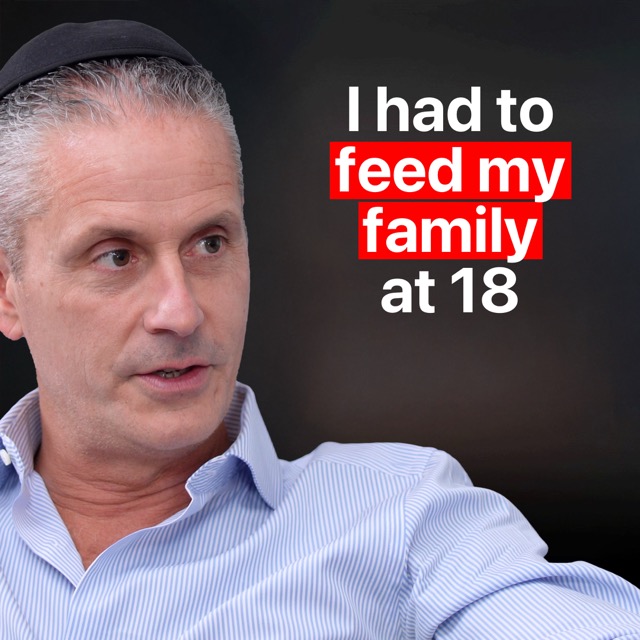

Leave a Reply